


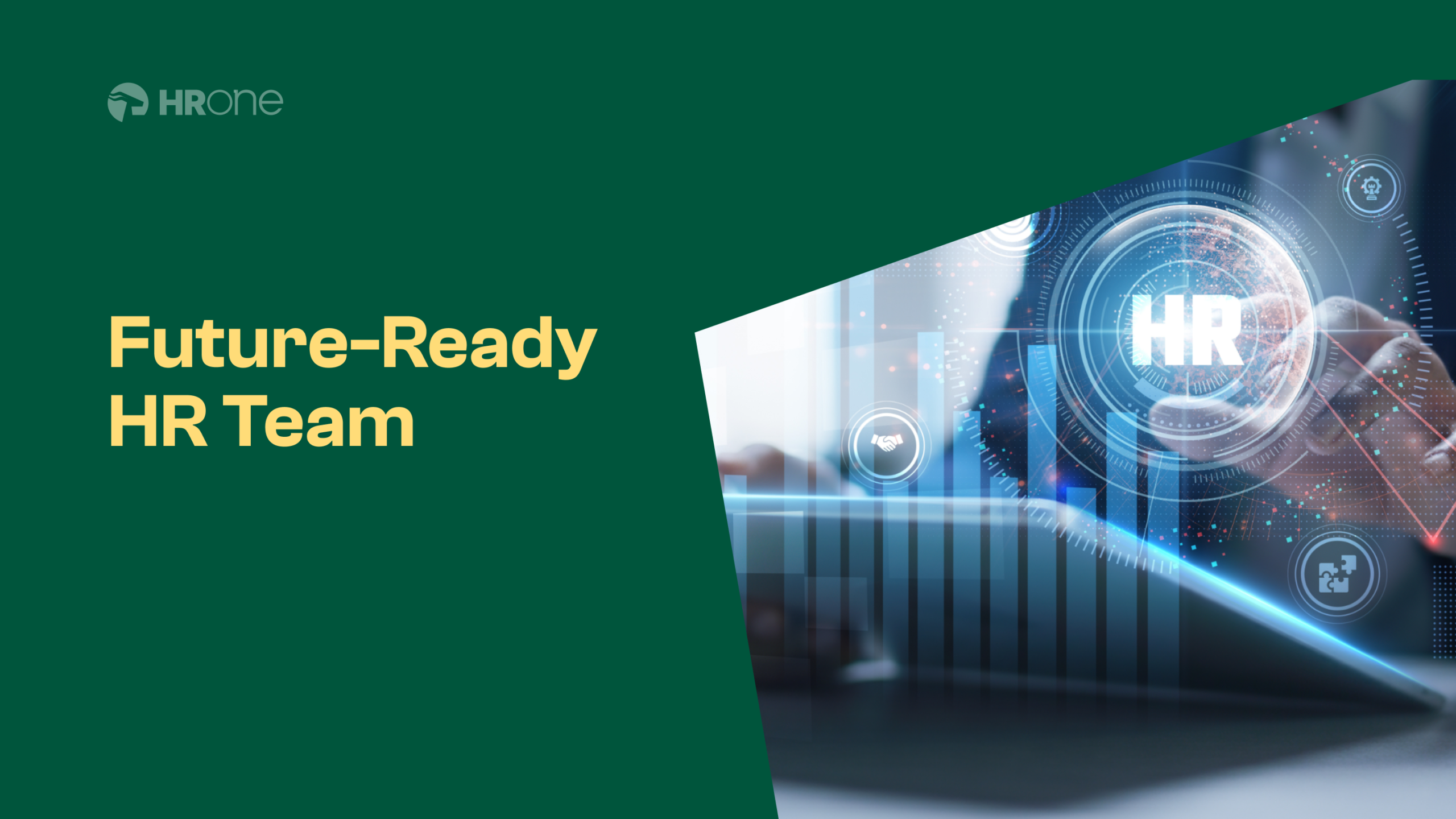
Upskilling HR teams for AI and automation has become the single biggest priority for CHROs across India in 2025.
According to Gartner, 76% of HR leaders believe failing to adopt AI within the next two years will leave their organizations behind. The shift isn’t coming. It’s here. Your team’s readiness determines whether you lead this change or scramble to catch up. This roadmap breaks down the exact steps to get your HR professionals AI-ready.
Why Upskilling HR Teams for AI Is No Longer Optional
The conversation around AI in HR has moved past experimentation. Indian enterprises are now deploying AI across recruitment screening, payroll processing, employee engagement tracking, and performance analytics. Companies not investing in HR automation training are watching competitors hire faster, onboard smoother, and retain better.
Here’s what’s changed in the last 18 months:
- AI-powered ATS platforms now screen 500 resumes in the time it takes to manually review 20
- Chatbots handle 60% of routine HR queries without human intervention
- Predictive analytics identify flight-risk employees three months before they resign
- Automated payroll systems have reduced processing errors by 85% in early adopters
The organizations winning the talent war aren’t necessarily paying more. They’re operating smarter. Their HR teams understand AI tools, interpret data outputs, and make faster decisions.
The business case for HR automation training
HR automation training is a business-critical investment because technology alone doesn’t deliver efficiency; capability does.
When HR teams are trained to use automation tools effectively, routine processes like hiring, onboarding, payroll, and compliance run faster, with fewer errors and less dependency on IT or external vendors.
This reduces rework, lowers operational risk, and improves employee experience through quicker, more consistent service. More importantly, trained HR professionals can move beyond task execution to interpret workforce data, support better decision-making, and add strategic value to the business.
In a market where hiring automation-ready HR talent is costly, upskilling existing teams is the most efficient way to protect technology ROI and build long-term organizational readiness.
Training your team isn’t an expense. It’s the highest-ROI investment you’ll make this year.
Assessing Your HR Team’s Current AI Readiness
Before building any training programme, you need an honest picture of where your team stands. Most HR leaders overestimate their team’s digital capabilities. A quick survey won’t cut it. You need a structured assessment approach.
Start with these evaluation methods:
- Self-assessment questionnaires covering AI familiarity, tool usage, and data comfort levels
- Practical skill tests using actual HRMS and ATS interfaces
- One-on-one interviews to understand attitudes toward technology change
- Observation sessions during routine tasks to identify manual processes ripe for automation
The goal isn’t to judge. It’s to map. You need clarity on who needs foundational digital literacy versus who’s ready for advanced AI application training.
Key competency gaps when upskilling HR for automation
After conducting assessments across 30 Indian organizations, I’ve found consistent patterns. Most HR teams show gaps in four areas:
Data interpretation skills remain weak. HR professionals collect mountains of data but struggle to extract actionable insights. They rely on IT teams for reports they should generate themselves.
AI tool proficiency varies wildly. Some team members use AI features daily. Others avoid them entirely, sticking to manual workarounds.
Change management capabilities are underdeveloped. Implementing AI isn’t a technical challenge. It’s a people challenge. Few HR professionals have formal training in leading organizational change.
Ethical AI understanding is almost non-existent. Questions around algorithmic bias, data privacy, and transparent decision-making rarely come up in HR discussions. This gap creates compliance and reputational risks.
Essential AI and Automation Skills for Modern HR Professionals
Building AI-ready HR teams requires a balanced approach. You need technical competency and planned thinking. One without the other creates either operators who follow instructions or thinkers who lack implementation ability.
The skill matrix below outlines what proficiency looks like at different levels:
| Skill Category | Basic Level | Intermediate Level | Advanced Level |
|---|---|---|---|
| Data Literacy | Read dashboards | Create custom reports | Build predictive models |
| AI Tool Usage | Navigate interfaces | Configure workflows | Customise automation rules |
| Analytics | Interpret metrics | Identify trends | Recommend actions |
| AI Ethics | Understand principles | Identify bias risks | Design governance structures |
Technical skills for AI-enabled HR operations
Your team needs hands-on proficiency with specific tool categories. HRIS platforms like HROne come with built-in automation features that most users never activate. Training should cover these dormant capabilities first. It’s the quickest path to productivity gains.
ATS platforms with AI-powered candidate scoring require an understanding of how algorithms rank applicants. Your recruiters should know which factors influence scores and how to adjust criteria.
Chatbot management goes beyond setup. HR teams need to monitor conversation logs, identify failure points, and refine responses. The best chatbot implementations improve weekly through human oversight.
Predictive analytics tools for attrition and performance forecasting demand interpretation skills. A 75% attrition probability score means nothing without context on contributing factors and intervention options.
Planned skills for leading HR automation initiatives
Technical skills get you operational. Planned skills get you leadership buy-in and sustainable results.
Change management training should cover communication approaches, decision-maker mapping, and resistance handling. Every AI rollout faces pushback. Prepared teams anticipate objections and address them proactively.
Vendor evaluation capabilities matter more than ever. The HR tech market is flooded with AI claims. Your team needs to distinguish genuine automation from glorified templates. Ask for demo environments, reference customers, and integration specifications before any purchase.
ROI measurement approaches allow you to justify continued investment. Track before-and-after metrics on processing time, error rates, employee satisfaction, and cost per hire.
Communication skills help translate technical capabilities into business outcomes that executives care about.
Building Your HR Upskilling Roadmap for AI Integration
A phased approach works better than intensive bootcamps. Your team still has daily responsibilities. Learning needs to fit into existing workflows without creating a backlog.
Phase 1 focuses on foundation building over weeks one through four. Cover digital literacy basics, introduce AI concepts, and familiarize the team with existing tool capabilities they might not use. No new purchases yet.
Phase 2 develops tool proficiency during weeks five through twelve. Structured training on specific platforms, hands-on practice in sandbox environments, and supervised live implementation of simpler automation.
Phase 3 enables applied learning from months four through six. Team members take ownership of specific AI initiatives, measure results, and iterate based on outcomes.
Phase 4 builds innovation leadership starting at month seven. Experienced team members mentor others, evaluate new tools, and propose advanced implementations.
Training methods for upskilling HR teams in automation
Different learning styles require different approaches. Relying on a single method fails half your team.
Online courses provide flexibility and foundational knowledge. Platforms like Coursera and LinkedIn Learning offer HR-specific AI modules. Budget Rs 15,000 to Rs 25,000 per employee annually for quality content.
Vendor certifications from your HRMS and ATS providers often come free with enterprise subscriptions. HROne and similar platforms include training resources most customers ignore. These certifications build tool-specific expertise faster than generic courses.
Hands-on workshops with practical exercises cement learning. Bring in external trainers quarterly for intensive sessions. Half-day formats work better than full-day marathons.
Peer learning through internal knowledge sharing scales expertise organically. Pair advanced users with beginners on specific projects.
External conferences and webinars expose your team to broader industry perspectives. SHRM India events and local HR tech meetups provide networking alongside learning.
Measuring success in HR AI upskilling programs
Training without measurement wastes resources. You need clear KPIs from day one.
Course completion rates indicate engagement but not competency. Track them, but don’t over-index.
Skill assessment scores before and after training show actual learning. Use the same evaluation approach from your initial readiness assessment.
Project outcomes matter most. Did the trained employee successfully implement an automation? Did it deliver the expected time savings?
Time-to-proficiency metrics track how quickly team members become self-sufficient on new tools. Faster proficiency means better training design.
Employee confidence surveys capture subjective readiness. Ask team members how prepared they feel to use AI in their daily work.
Overcoming Resistance to AI Adoption in HR Teams
Fear drives most resistance. Your team worries about job security, increased scrutiny, and learning curves that make them look incompetent. Address these concerns directly.
Transparent communication about AI’s role helps. Be clear that AI handles repetitive tasks, so humans focus on relationship-intensive work. No one joined HR to process paperwork.
Quick wins build confidence. Start with automations that make people’s jobs easier, not harder. Automated leave approvals and chatbot query handling free up time visibly.
Involve team members in tool selection. People support what they help create. Include frontline HR staff in demos and vendor evaluations.
Celebrate learning publicly. Recognize team members who complete certifications or successfully launch automations.
A Smarter Way Forward
Building AI-ready HR teams takes sustained effort over six to twelve months. Start with an honest skills assessment. Build foundational literacy before advanced applications. Use multiple training methods to accommodate different learning styles. Measure outcomes, not activities.
The competitive advantage goes to organizations that act now. Your first step this week should be completing a readiness assessment of your current team. HROne’s built-in analytics capabilities offer a practical starting point for teams ready to move beyond manual processes.











 Secures Top Spot in
